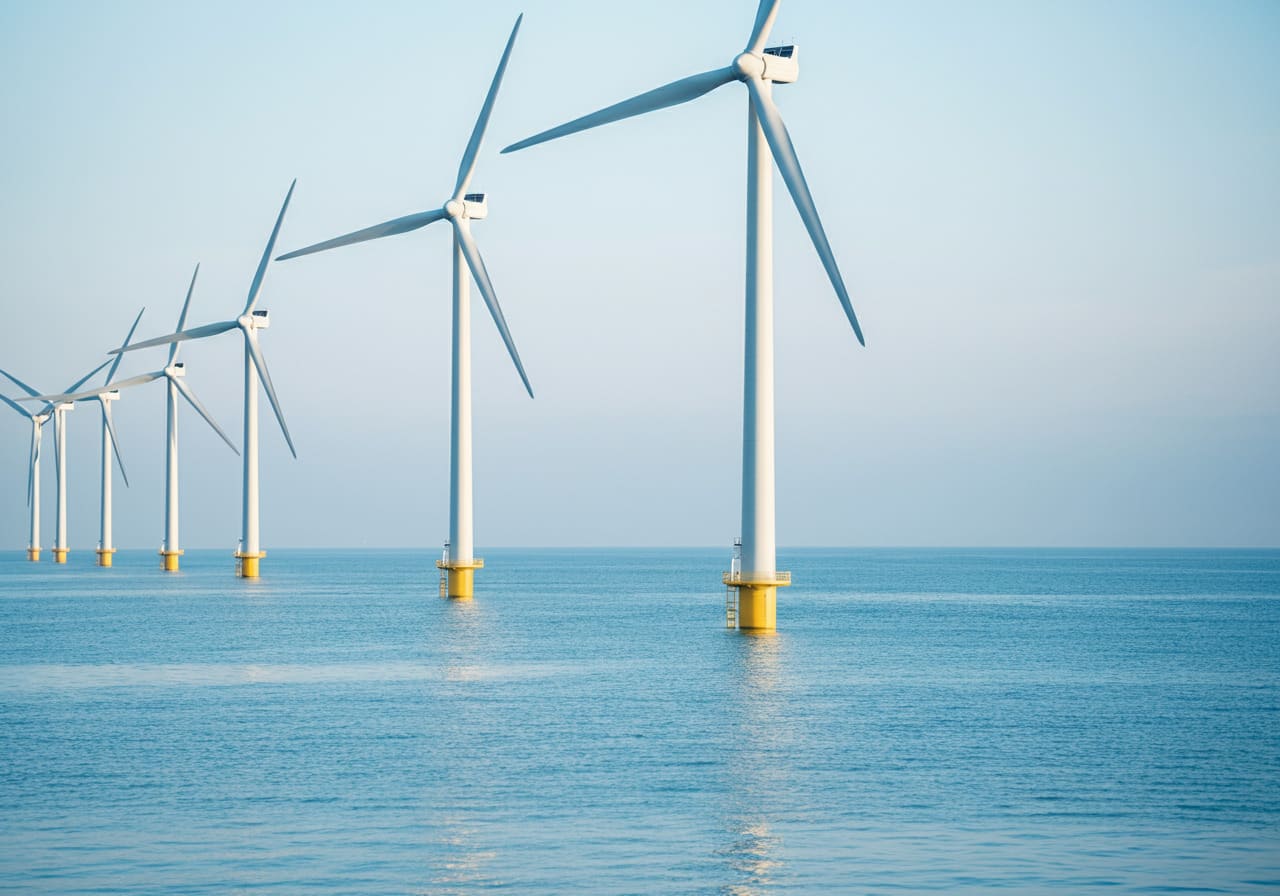
An offshore wind farm is designed to operate for decades. Yet many of the decisions that will shape those years are made before it starts generating electricity.
At a conference hosted by the Global Wind Energy Council during WindEnergy Hamburg 2026, Robin Elliot of ONYX Insights and Joseph McCabe of Fugro explained why data are essential to wind farm maintenance. Accurate data help teams detect small mechanical issues early and decide how to intervene more efficiently.
We could not agree more. Based on our experience in offshore wind projects, we would add that capturing data on the actual condition of components matters well before the operational phase: from fabrication and inspection through to assembly and installation.
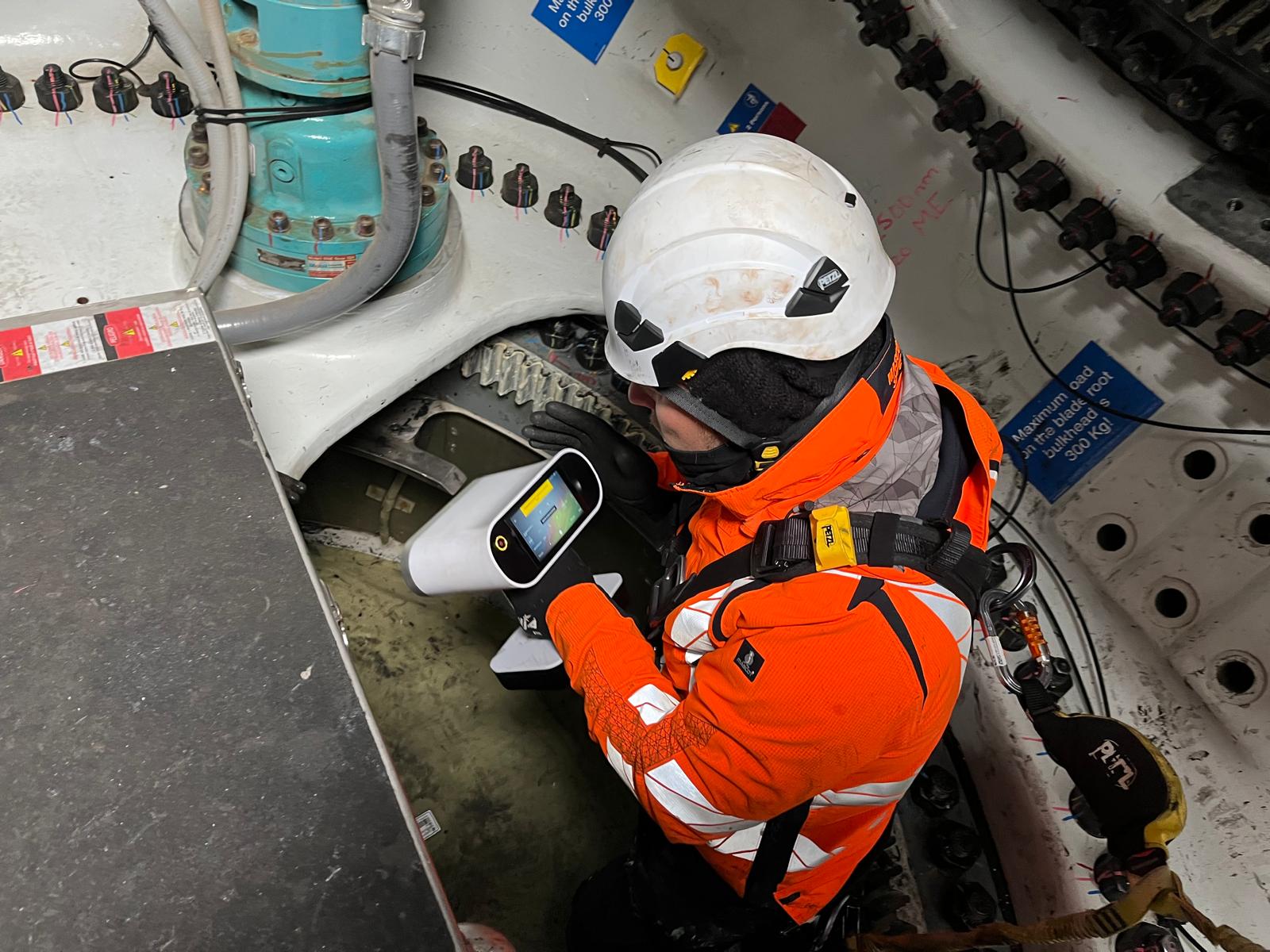
Identifying geometric deviations at any of these stages helps teams anticipate assembly issues, assess how components will actually fit together and make decisions based on measurements before the components reach the sea. This can make installation more efficient and prevent undetected deviations from affecting the structure’s subsequent performance.
The value of these data does not end with installation. Capturing and documenting the actual geometry of each structure as it enters service creates an objective reference for the rest of its life. It allows teams to compare its condition during future inspections, better assess any changes and plan repairs, replacements or life extension studies based on the physical reality of the asset.
If these structures are to operate for 30 years or more, knowing precisely how they were built and installed is also part of the information we will need to care for them throughout those decades.